How Isopropanol Works: The Science behind Rubbing Alcohol

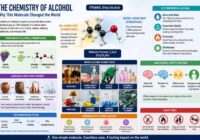
Isopropanol or rubbing alcohol is one of the most common chemicals found in homes, hospitals, laboratories, and workplaces around the world. Almost everyone has used rubbing alcohol at some point in their life. You may have seen it in a first-aid kit, used it to clean a smartphone screen, watched a nurse wipe your skin before an injection,… Read More »

The Chemistry of Vinegar: Why This Sour Liquid Does So Much

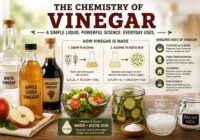
The Chemistry of Vinegar explains why this simple sour liquid can do so many surprising things in everyday life. Vinegar is much more than a salad dressing ingredient sitting quietly in kitchen cabinets. It can preserve food, brighten flavors, react dramatically with baking soda, dissolve mineral deposits, and even help with household cleaning. Behind its sharp smell and… Read More »

Cocoa Fermentation Explains How Chocolate Gets Its Flavor

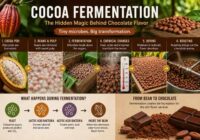
Cocoa fermentation is the hidden process that gives chocolate its rich flavor, deep aroma, and smooth taste. Most people imagine chocolate beginning in factories filled with machines and wrappers, but the real journey starts on tropical cocoa farms where freshly harvested cocoa beans undergo a remarkable natural transformation. Surprisingly, raw cocoa beans do not naturally taste like chocolate… Read More »

Chemistry of Fermentation Explains How Beer, Kimchi, Yoghurts, Others are Made

The chemistry of fermentation is one of the most fascinating processes in food science because it explains how tiny microorganisms can completely transform the nature, flavor, texture, and preservation of food. From ancient civilizations to modern kitchens, fermentation has been used to create some of the world’s most loved foods and drinks. Fermentation: The Ancient Science Living in… Read More »

The Chemistry of Salt: How It Makes Food Taste Better

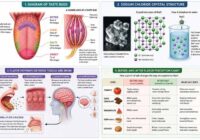
The Chemistry of Salt is one of the main reasons food tastes delicious instead of dull and lifeless. A simple pinch of salt can completely transform a meal, making flavors stronger, richer, sweeter, and more balanced. Whether it is sprinkled on fries, mixed into soup, or added to chocolate desserts, salt has a remarkable ability to improve the… Read More »

Isopropanol Hazards: How to Ensure Safety Handling the Chemical

This post provides detailed information about Isopropanol, including its hazards and how to safely store and dispose of it, as well as it properties and uses. What is Isopropanol? Isopropanol commonly known as isopropyl alcohol, is a liquid with a very nice smell. It has the ability to dissolve in water and also in other hydrocarbon liquids. It… Read More »

Easier Way to Capture Greenhouse Gas, CO2 – New Study

A new, easier, and cheaper way of capturing the greenhouse gas CO2 has been discovered by researchers at ETH Zurich led by Maria Lukatskaya, Professor of Electrochemical Energy Systems. The researchers employed the knowledge of the fact that in aqueous acidic solution CO2 (carbon dioxide or carbon (IV) oxide) remains unchanged while in aqueous alkaline solution it undergoes… Read More »

Benzene Hazards: Formula, Uses, Properties

This post provides information about benzene hazards and how to safely handle the chemical and exposures to it; It also discuses the formula, properties, and uses of benzene to help you gain deep knowledge of the chemical compound. Please, read on to learn important facts about benzene:   What is Benzene? Benzene, also called benzole cyclohexatriene, is a… Read More »