Category Archives: Science Explains

The Chemistry of Antifreeze: How Engine Coolants Work

Most drivers know that their vehicle contains antifreeze, but few understand what it actually does. Many assume its only purpose is to prevent engine fluids from freezing during cold weather. While that is certainly one of its jobs, antifreeze does much more than its name suggests. In reality, antifreeze is one of the most important liquids inside a… Read More »

What is Battery Acid and why is it So Important?

Most people have heard the term battery acid, but few know what it actually is or why it plays such an important role in everyday life. Hidden inside car batteries, backup power systems, and industrial equipment, battery acid helps power devices that millions of people rely on every day. Without it, your car might not start, emergency power… Read More »

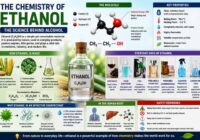
The Chemistry of Ethanol: The Science behind Alcohol

Ethanol is one of the most familiar chemicals in the world, yet most people know surprisingly little about it. It appears in alcoholic beverages, hand sanitizers, perfumes, medicines, cleaning products, and even fuel. Whether you’re enjoying a glass of wine, using a disinfectant wipe, or filling a vehicle with ethanol-blended gasoline, you’re interacting with this remarkable molecule. What… Read More »

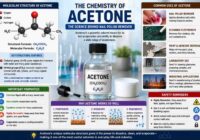
The Chemistry of Acetone: The Science behind Nail Polish Remover

Most people know acetone as the liquid that quickly removes nail polish. Open a bottle of nail polish remover, and you’ll immediately recognize its distinctive smell. Within seconds of applying it, nail polish begins to dissolve, and the liquid itself seems to disappear almost as quickly as it arrived. But acetone is much more than a beauty product… Read More »

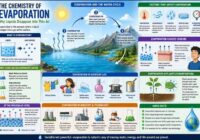
The Chemistry of Evaporation: Why Liquids Disappear Into Thin Air

Evaporation is one of the most important processes occurring around us, yet it is so common that most people rarely stop to think about it. Have you ever noticed that a puddle disappears a few hours after rain, even when nobody wipes it away? Or wondered why wet clothes eventually dry on a clothesline, why sweat cools your… Read More »

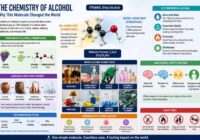
The Chemistry of Alcohol: Why This Molecule Changed the World

Few chemicals have influenced human civilization as profoundly as alcohol. Long before modern science existed, people were brewing alcoholic beverages, preserving foods, creating medicines, and using fermentation without fully understanding the chemistry behind these processes. Today, alcohol remains one of the most important and versatile chemical compounds in everyday life, appearing in everything from beverages and fuels to… Read More »

How Isopropanol Works: The Science behind Rubbing Alcohol

Isopropanol or rubbing alcohol is one of the most common chemicals found in homes, hospitals, laboratories, and workplaces around the world. Almost everyone has used rubbing alcohol at some point in their life. You may have seen it in a first-aid kit, used it to clean a smartphone screen, watched a nurse wipe your skin before an injection,… Read More »

The Chemistry of Vinegar: Why This Sour Liquid Does So Much

The Chemistry of Vinegar explains why this simple sour liquid can do so many surprising things in everyday life. Vinegar is much more than a salad dressing ingredient sitting quietly in kitchen cabinets. It can preserve food, brighten flavors, react dramatically with baking soda, dissolve mineral deposits, and even help with household cleaning. Behind its sharp smell and… Read More »

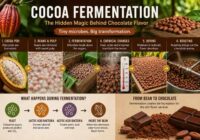
Cocoa Fermentation Explains How Chocolate Gets Its Flavor

Cocoa fermentation is the hidden process that gives chocolate its rich flavor, deep aroma, and smooth taste. Most people imagine chocolate beginning in factories filled with machines and wrappers, but the real journey starts on tropical cocoa farms where freshly harvested cocoa beans undergo a remarkable natural transformation. Surprisingly, raw cocoa beans do not naturally taste like chocolate… Read More »

Chemistry of Fermentation Explains How Beer, Kimchi, Yoghurts, Others are Made

The chemistry of fermentation is one of the most fascinating processes in food science because it explains how tiny microorganisms can completely transform the nature, flavor, texture, and preservation of food. From ancient civilizations to modern kitchens, fermentation has been used to create some of the world’s most loved foods and drinks. Fermentation: The Ancient Science Living in… Read More »